
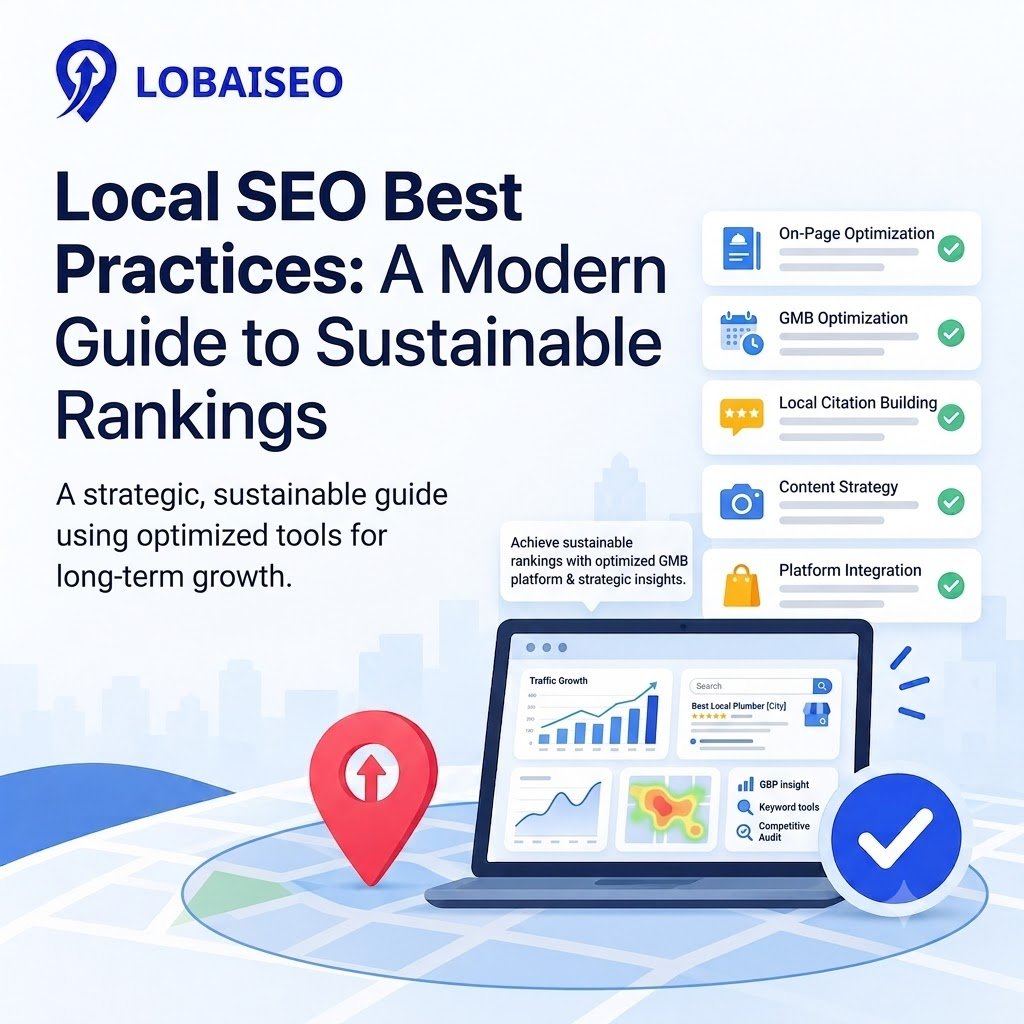
Multi-site brands’ largest local SEO problem is maintaining hundreds of Google Business Profiles that are accurate and consistent, particularly when names, phone numbers, hours, categories, and geographical data vary from one listing to the next. The appropriate local SEO best practices establish one managed system for accurate profiles, relevant location pages, reviews, and consistent local search signals.
Which Local SEO Practices Have The Biggest Impact?
The strongest local SEO techniques start with accurate business information across every location. Keep names, addresses, phone numbers, hours, categories, services, and website links correct, then build useful location pages that match each market. Google recommends complete and accurate business profiles for better local visibility.
A practical local SEO strategy also includes reviews, location-specific material, internal links, and LocalBusiness structured data. For example, instead of replicating one location over the network, a hotel chain should be providing each facility with its own correct facts. In our experience at Lobaiseo, the ideal way of local SEO management is when updates follow a regulated procedure. Lobaiseo offers practical GBP lessons in brief movies, such as common profile and verification issues.
Which Common Tactics Should Businesses Avoid?
Many brands kill local search optimization by not treating each place uniquely. Duplicate city pages, adding keywords to business names, duplicate profiles, or weak material on locations might lead to quality and regulatory issues. According to Google, company names and locations must be exact to be able to really represent the real-world business.
A better approach to local business SEO is to standardize what should remain consistent while allowing genuine local differences. Review profiles regularly, monitor suggested edits, check NAP data, and remove outdated information. Even local SEO services for small businesses should follow the same principle: accurate information first, useful content second, and shortcuts last.
FAQs
Local SEO best practices are accurate company information, comprehensive Google company profiles, helpful location pages, authentic reviews, relevant local content, and consistent information across key networks. For multi-location brands, these aspects should be tracked through a clear method that can be replicated.
What are the most important local SEO practices?
The essential principles are keeping NAP information accurate, optimizing every Google Business Profile, generating helpful location pages, gaining real reviews, and keeping business information consistent across major platforms. Local relevancy beats keyword stuffing to every page.
How often should local SEO best practices be reviewed?
Local SEO should be reviewed continuously, with important profile information checked at least monthly. Hours, phone numbers, addresses, services, reviews, and unexpected profile changes deserve faster attention. Large networks should use regular audits so one incorrect update does not remain across multiple locations.
What local SEO mistakes should businesses avoid?
Avoid keyword-loaded business names, duplicate profiles, phony locations, cloned location pages, inconsistent NAP information, and unnatural reviewing procedures. Also, businesses should not ignore Google updates or suggested changes. Google can obtain information from users and other sources; thus, it is vital to check profiles.
Can best-practice workflows be automated?
Yes. Routine work such as profile audits, scheduled updates, review monitoring, reporting, and bulk location management may be automated. However, abnormal modifications, ownership concerns, verification problems, and policy choices still require human approval before any action is performed.

One thought on “Local SEO Best Practices: A Modern Guide to Sustainable Rankings”