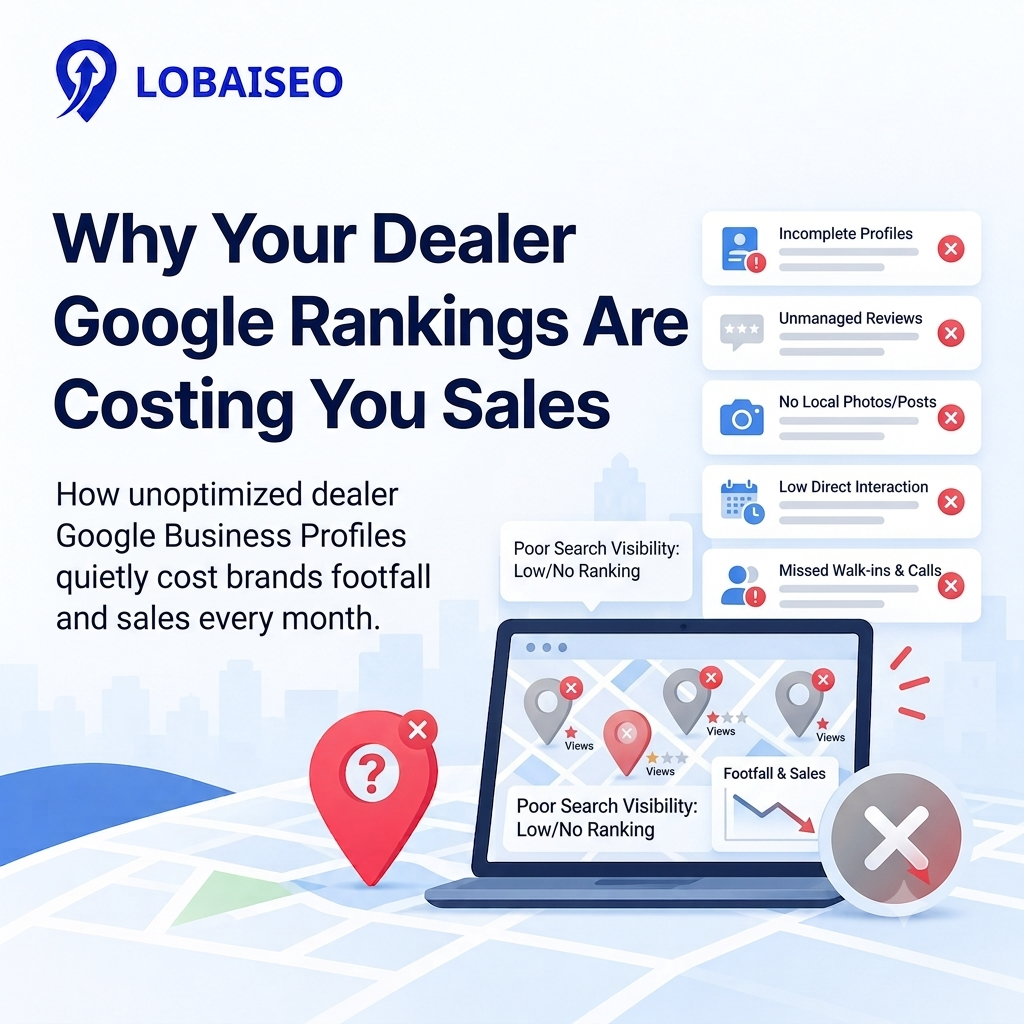
Multi-location brands often lose Map Pack visibility because small profile errors multiply across locations. A wrong category, inconsistent address, outdated hours, or weak review activity can affect local visibility. Lobaiseo approaches these issues at scale by treating each location as a local search asset that needs accurate, consistent management.
How Google Maps Ranking Differs from Organic Search Ranking
Google Maps and organic search rely on distinct signals. Organic SEO is mostly about your website content, links, technical health, and relevance overall. Relevance, distance, and prominence are the major drivers of map rankings. Google has confirmed these are the major local ranking variables.
For example, a hotel can rank organically for “best hotels in Jaipur,” while a different hotel appears higher in Maps because it is closer to the searcher. Google Maps SEO therefore requires location-level work. Keep each profile accurate, use the right category, maintain local relevance, and track rankings from defined locations rather than relying on one manual search.
The Three Core Maps’ Ranking Factors: Relevance, Distance, and Prominence
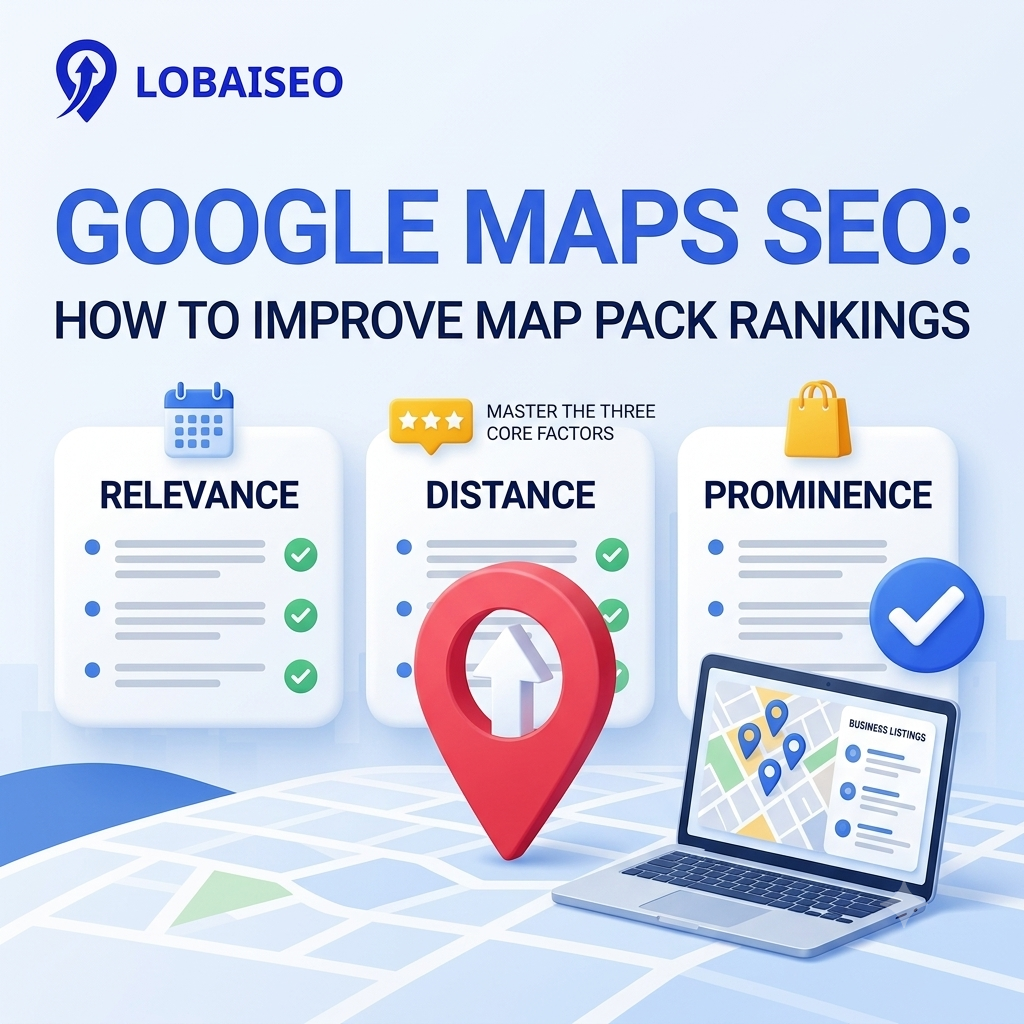
Google groups local ranking around relevance, distance, and prominence. Relevance is how well your business profile fits the search. Distance is the position of the company relative to the searcher. Prominence is how well-known the business is. This might include evaluations, links, and information across the web.
These Google Map pack ranking factors also explain why one location can rank strongly while another branch of the same brand struggles. A complete profile may improve relevance but it cannot remove a distance disadvantage. Prominence can also vary by market. The practical approach is to measure each location separately and improve the factors the brand can actually control.
How to Improve Each Ranking Factor
Start with relevance. Ensure all profiles include the proper major category, services, company data, hours, and location details. Google prefers extensive and precise information, since it helps to match profiles with the relevant queries.
Distance cannot be directly optimized. A location will naturally be more relevant to searches made nearby. Focus instead on serving the areas the business genuinely operates in and keeping the address or service area accurate.
Prominence needs consistent work. Build genuine reviews, respond to customers, earn relevant local mentions and links, and keep business information consistent across the web. Google states that review count, review score, and links can contribute to prominence.
For large networks, we at Lobaiseo have found that location-level audits are more useful than treating hundreds of profiles as one account. Fix repeated errors first, then monitor movement.
Tools to Track Google Maps Rank Over Time
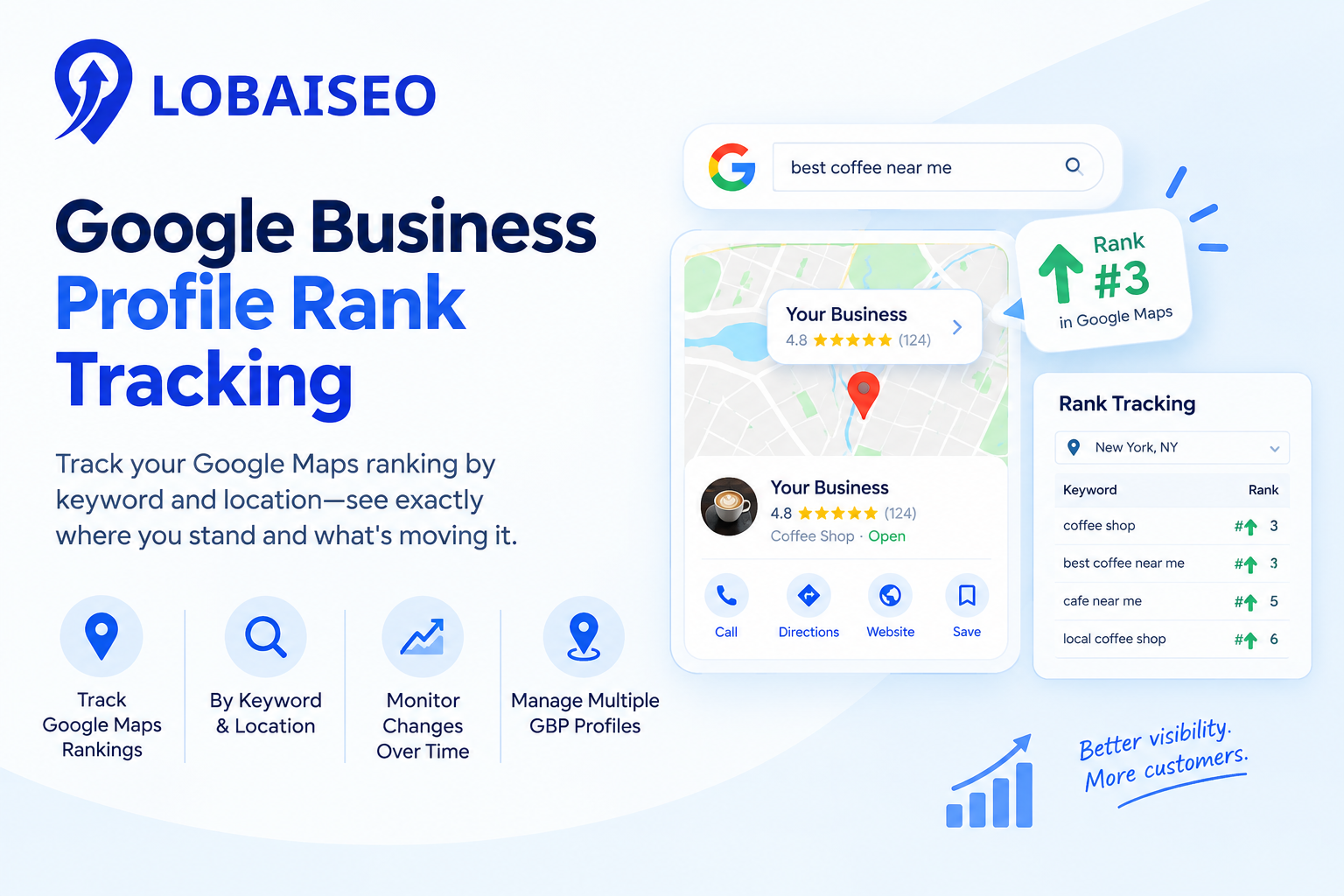
Manual Maps searches are unreliable for enterprise tracking because results can change with the searcher’s location, query, and market. A proper GBP rank tracker lets teams monitor the same keywords and locations repeatedly, making changes easier to measure.
Start by creating a fixed keyword set for each location. Track essential services, product phrases, and key local searches. And note the search location, since distance might influence the outcome. Google also offers business profile performance metrics, including searches, views, and consumer activities.
Local pack SEO: Compare ranking changes to real profile work. If the location shifts after you have fixed the categorization, improved the reviews, or fixed conflicting information, document the change. This means a repeatable procedure for franchise and corporate teams, not manual inspections from time to time.
You can also see some real-world instances of GBP work in Lobaiseo’s Google Business Profile Shorts.
FAQs
The main Google Maps ranking factors are relevance, distance, and prominence. These help Google figure out which local companies are the greatest match for a search. Reviews, links, company details, and location may affect how a profile performs.
How is Google Maps SEO different from website SEO?
Google Maps SEO is all about business profile exposure in local results. Organic search rankings are the major emphasis of website SEO. Both can help with local visibility, but map rankings put a lot of weight on relevance, distance, and prominence.
Does the number of reviews affect Google Maps ranking?
Yes. Google states that review count and review score can contribute to local ranking. However, reviews are only part of prominence and do not work independently of relevance and distance.
Can I improve Google Maps ranking without a website?
Yes. A website is not required for a business profile to appear on Maps. Visibility is still affected by accurate profile details, relevancy, reviews, and other local signals. Businesses with a confirmed business profile may control their visibility on Google Maps.

One thought on “Google Maps SEO: How to Improve Map Pack Rankings”